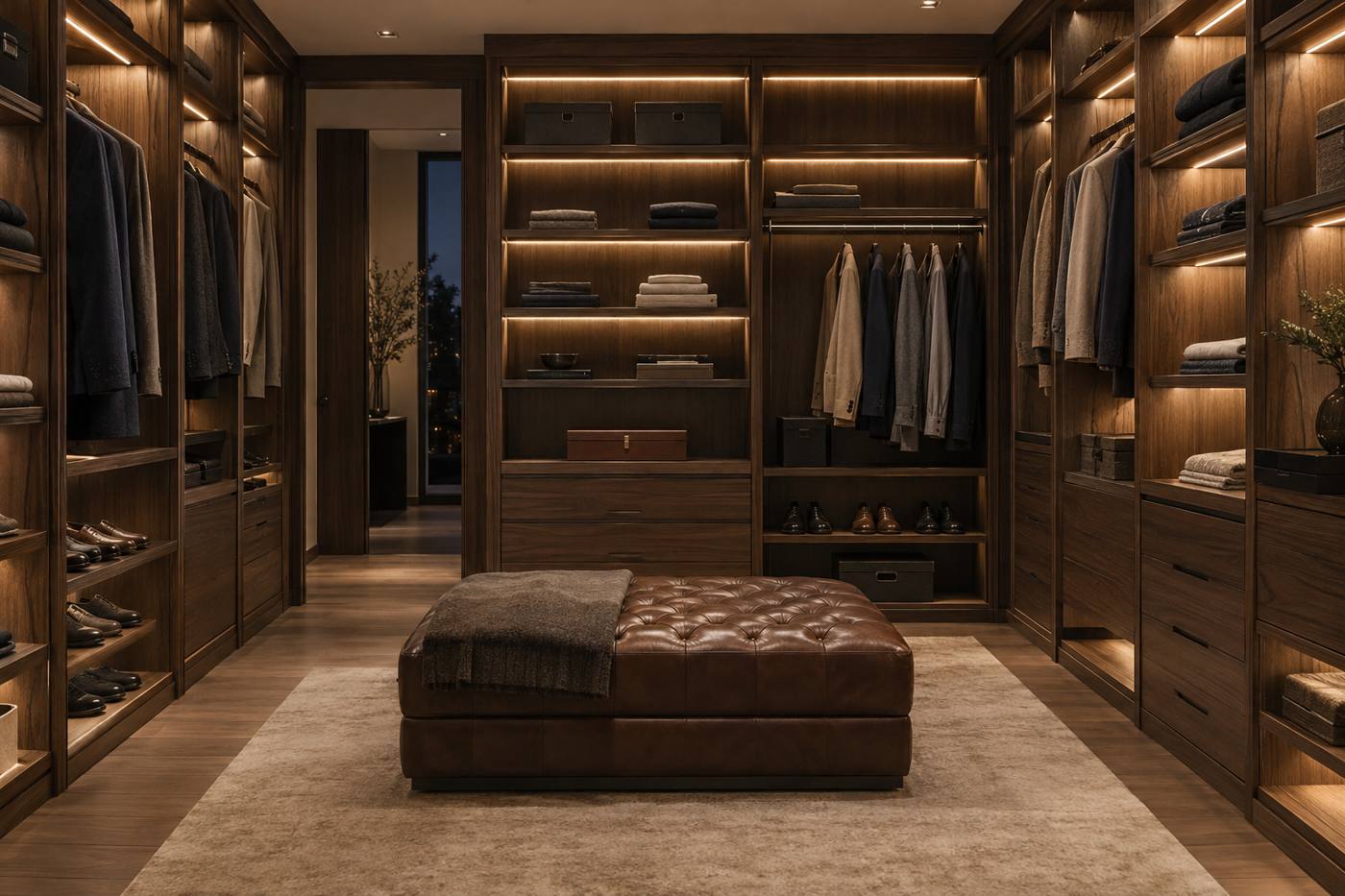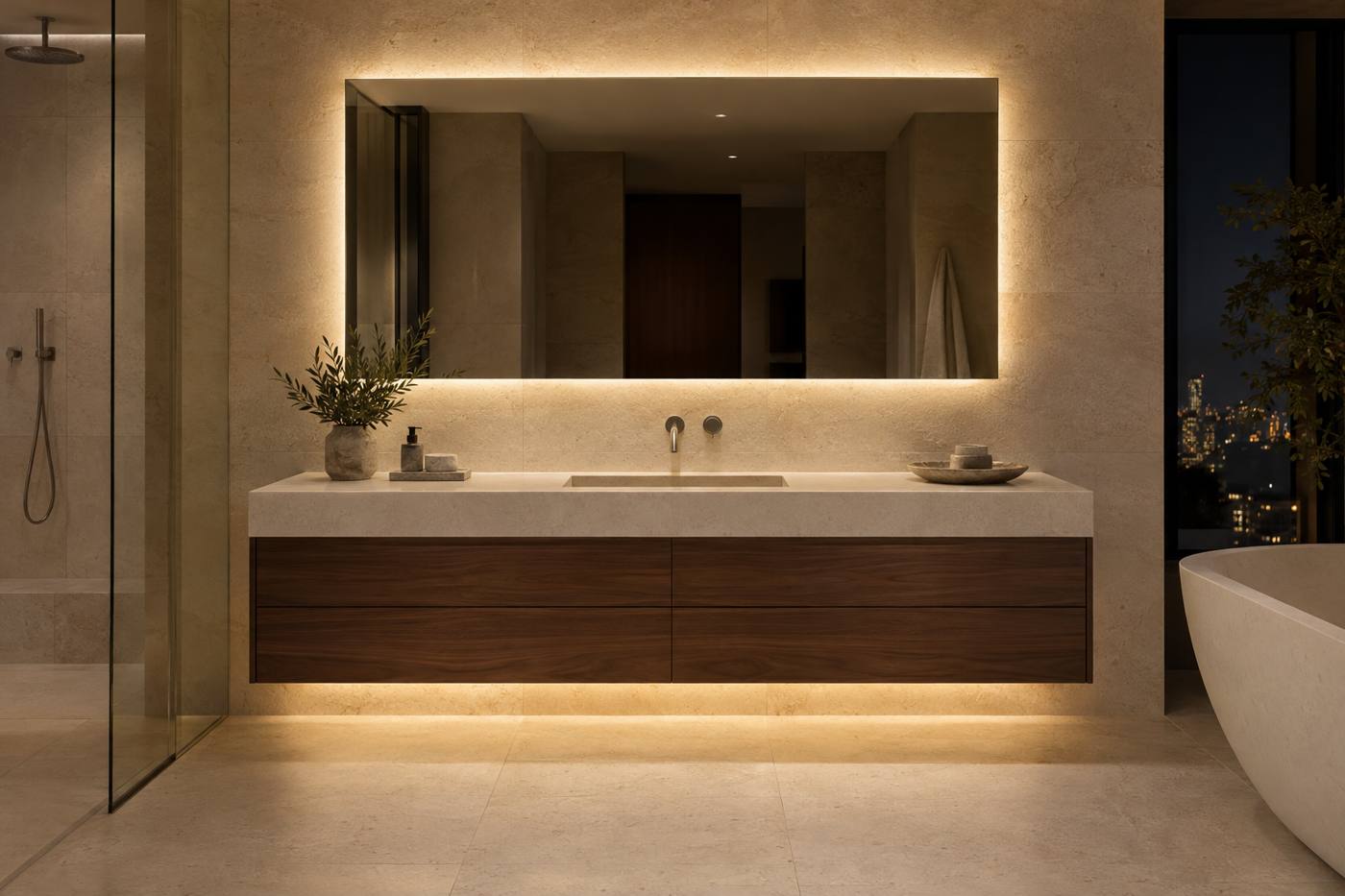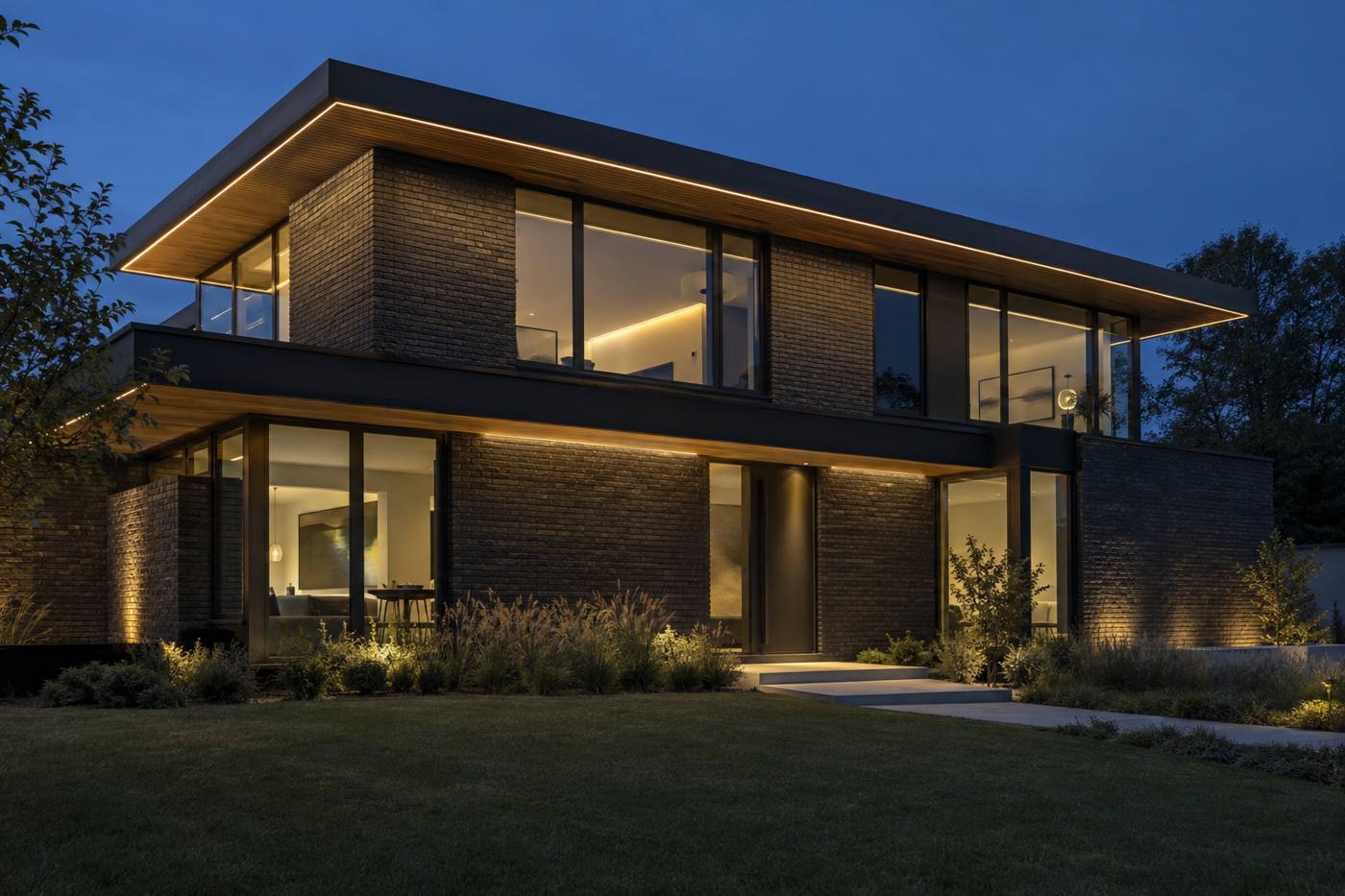
Tape light goes everywhere: inside millwork, inside shower niches, along exterior soffits and under bar tops that get wiped down every night. Choosing the right protection means understanding two systems that are often confused: the international IP code and the North American dry, damp and wet location ratings.
How to read an IP code
The Ingress Protection (IP) code, defined by IEC 60529, uses two digits. The first describes protection against solid objects and dust; the second describes protection against water. Higher is more protective. An X means that property wasn't tested.
| 1st digit | Solids |
|---|---|
| 0 | No protection |
| 1 | Objects over 50 mm (back of a hand) |
| 2 | Objects over 12.5 mm (fingers) |
| 3 | Objects over 2.5 mm (tools, thick wire) |
| 4 | Objects over 1 mm (fine wire) |
| 5 | Dust protected |
| 6 | Dust tight |
| 2nd digit | Water |
|---|---|
| 0 | No protection |
| 1–2 | Dripping water (vertical, then tilted 15°) |
| 3 | Spraying water |
| 4 | Splashing from any direction |
| 5 | Low-pressure water jets |
| 6 | Powerful water jets |
| 7 | Temporary immersion, up to 1 m |
| 8 | Continuous immersion, beyond 1 m, as specified by the manufacturer |
Common ratings in tape light
| Rating | Typical construction | Use it for |
|---|---|---|
| IP20 | Bare tape, no coating | Indoor dry locations: coves, millwork, cabinets, display |
| IP54 | Thin coating or protected housing | Indoor areas with occasional splashing or dust |
| IP65 | Silicone coating or sleeve | Damp areas and protected exterior locations |
| IP67 / IP68 | Fully encapsulated, sealed end caps and leads | Wet locations, direct exposure, immersion where specified |
IP is not the same as a UL location rating
In North America, luminaires are listed for dry, damp or wet locations under UL standards, and the electrical code refers to those terms, not IP codes. An IP number describes a test result. It doesn't replace a location listing.
- Dry: not normally subject to moisture, such as interior coves, cabinets and ceilings.
- Damp: exposed to moderate moisture or condensation, such as covered porches, some bathrooms and protected soffits.
- Wet: exposed to direct water, rain or wash-down, such as uncovered exteriors, showers and fountains.
Practical guidance
- Specify the location listing first (dry, damp, wet), then the IP rating that goes with it.
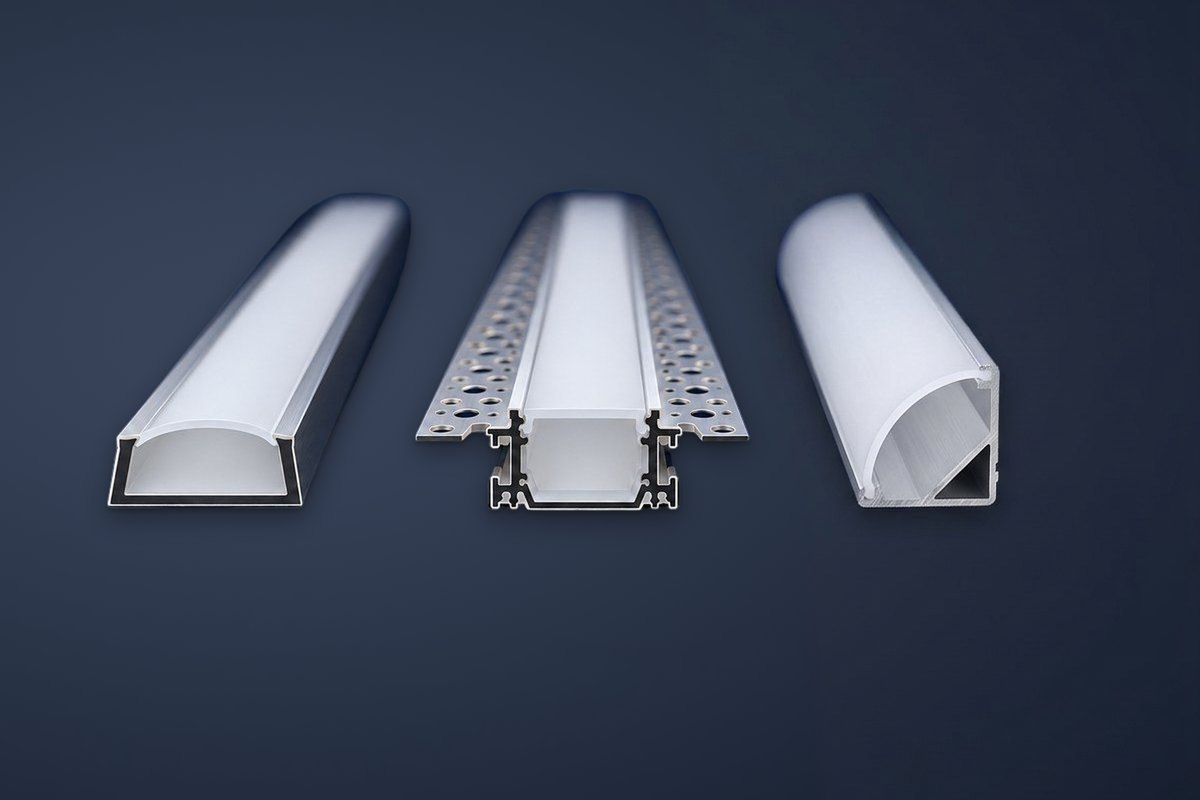
- A channel with a lens improves protection against dust and touch, but doesn't make an IP20 tape damp-rated by itself.
- Higher ratings add coatings that can slightly reduce output and shift color, and they limit field cutting. Use them only where needed.
- Protect connections and drivers, too. A sealed tape with an exposed connector is only as good as the connector.
Key takeaways
- IP code: first digit for solids, second for water.
- IP20 = bare tape for indoor dry use; IP65 and up for damp or wet.
- North American codes use dry/damp/wet listings; IP doesn't replace them.
- IP20 tape is for indoor dry locations only; use IP54 or IP67 tape elsewhere.